





With work and study schedules that can often be stressful, it’s easy to stop prioritising your wellbeing. As the time for deciding New Year’s resolutions approaches, consider how small changes can improve your physical and mental health.
Physical Wellbeing
There are both mental and physical health benefits to regular physical activity. According to the WHO, physical activity ‘refers to all movement including leisure time, for transport to get to and from places, or as part of a person’s work or domestic activities.’ You can stay active by making small changes to your day, such as:
- Going for a walk on your lunch break
- Getting off the bus/tube a stop early to walk to your destination
- Taking the stairs instead of the lift
The NHS has more information and resources available on how to be more active.
Mental Wellbeing
There are lots of factors that can affect mental wellbeing, and the charity Mind says that mental wellbeing doesn’t have one set definition. Good mental health days won’t always look the same, and it’s important to figure out what works for you. Some things that Mind recommends to improve mental wellbeing include:
- Finding ways to be creative
- Spending time in nature
- Connecting with others
Eating Well
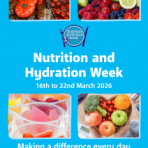
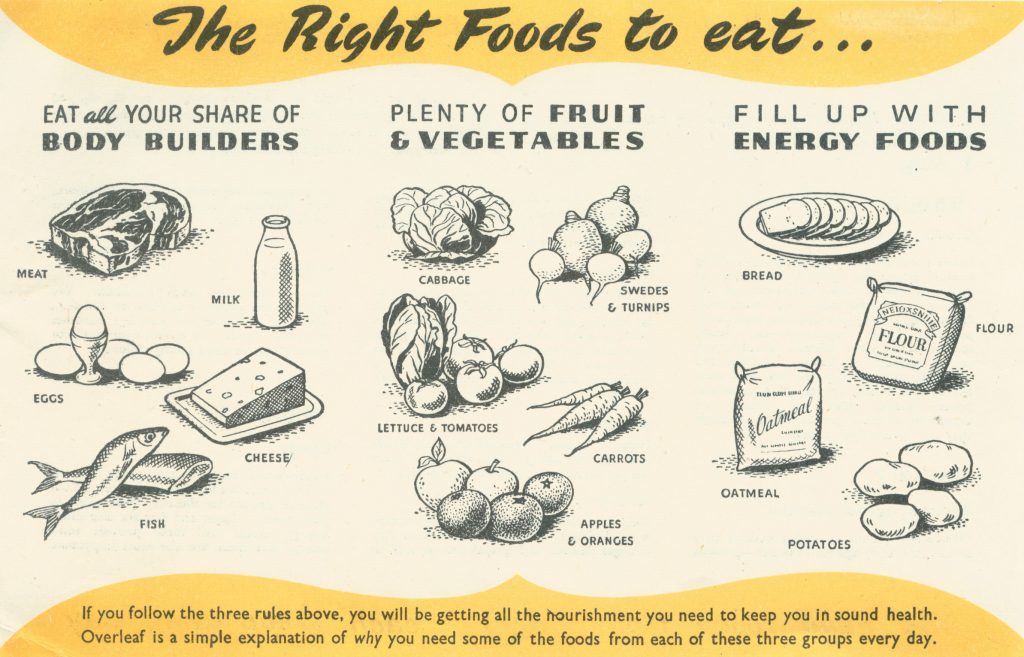
The NHS guide to eating a balanced diet covers a range of topics, from how to eat well as a vegan or vegetarian, to understanding food labels, food types, and getting your five-a-day. It can sometimes be difficult to maintain a healthy diet around busy schedules, and where New Year’s resolutions centre on physical wellbeing, it’s important to think about eating well too. You may not have to make big changes to your diet – some simpler things to try are:
- Eating regularly and staying hydrated
- Not skipping breakfast
- Being aware of caffeine intake, as it can affect your mood and sleep.
Maintaining good physical and mental wellbeing is part of LSHTM’s mission of improving health worldwide, and there are many more resources available in the library and in our digital collections.
Print resources on display:
Huppert, Felicia, et al. The Science of Well-Being. Oxford University Press, 2005
Dannenberg, Andrew L., and Howard Frumkin. Making Healthy Places: Designing and Building for Health, Well-Being, and Sustainability. Island Press, 2011.
Sarkar, Chinmoy. Healthy Cities: Public Health through Urban Planning. Edward Elgar Pub. Ltd., 2014.
McKenna, Jim, and Chris Riddoch. Perspectives on Health and Exercise. Palgrave, 2003.
Biddle, Stuart, et al. Physical Activity and Psychological Well-Being. Routledge, 2000.
Bouchard, Claude, et al. Physical Activity and Health. Human Kinetics, 2007.
Knapp, Martin, and European Observatory on Health Systems and Policies. Mental Health Policy and Practice across Europe: The Future Direction of Mental Health Care. McGraw Hill Open University Press, 2007.
Cattan, Mima, and Sylvia Tilford. Mental Health Promotion: A Lifespan Approach. McGraw Hill/Open University Press, 2006.
Palmer, Stephen, and Angela Puri. Coping with Stress at University: A Survival Guide. SAGE, 2006.
Whitney, Eleanor Noss, and Sharon Rady Rolfes. Understanding Nutrition. Fourteenth edition., Cengage Learning, 2016.
Webb, Geoffrey P. Nutrition: A Health Promotion Approach. 3rd ed., Hodder Arnold, 2008.
Gibney, Michael J., and Nutrition Society. Introduction to Human Nutrition. 2nd ed., Wiley-Blackwell, 2009.
