




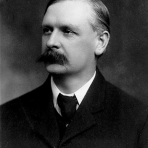



The 24th of March 2026 is World TB (Tuberculosis) Day. The theme this year is “Yes we can end TB”. This day was designed to bring public awareness to what is still considered an epidemic in much of the world and was chosen to be on this date to commemorate the day in 1882 when Dr. Robert Koch announced he had discovered the cause of tuberculosis. The Archives team at LSHTM library have published a blog to highlight the archive of Sir Arthur Newsholme, a pioneer in public health who took a special interest in TB here.
You can find information about World TB Day including campaign material, the World Health Organisation (WHO) TB Report and factsheets about the disease itself here. Some of the information is copied below:
Key facts
- A total of 1.23 million people died from tuberculosis (TB) in 2024 (including 150 000 among people with HIV). Globally, TB is the world’s leading cause of death from a single infectious agent and among the top 10 causes of death.
- TB was also both the leading killer of people with HIV in 2024 and a major cause of deaths related to antimicrobial resistance.
- In 2024, an estimated 10.7 million people fell ill with TB worldwide, including 5.8 million men, 3.7 million women and 1.2 million children. TB is present in all countries and age groups.
- Multidrug-resistant TB (MDR-TB) remains a public health crisis and a health security threat. Only about 2 in 5 people with drug-resistant TB accessed treatment in 2024.
- Global efforts to combat TB have saved an estimated 83 million lives since the year 2000.
- TB is preventable and curable.
Overview
Tuberculosis (TB) is an infectious disease caused by bacteria that most often affects the lungs. It spreads through the air when people with TB cough, sneeze or spit.
Tuberculosis is preventable and curable.
About a quarter of the global population is estimated to have been infected with TB bacteria. In general, people with TB infection don’t feel sick and are not contagious. About 5–10% of people infected with TB will eventually get symptoms and develop TB disease. Babies and children are at higher risk of developing the disease if they are infected.
TB disease is usually treated with antibiotics and can be fatal without treatment.
In certain countries, the Bacille Calmette-Guérin (BCG) vaccine is given to babies or small children to prevent TB. The vaccine prevents deaths from TB and protects children from serious forms of TB.
Certain conditions can increase a person’s risk for TB disease:
- diabetes (high blood sugar);
- weakened immune system (for example, from HIV);
- undernutrition;
- tobacco use; and
- harmful use of alcohol.
The Library collections contain print and online resources on the topic of TB. Resources can be found by searching in the Library’s search tool, Discover. A selection of books on this topic are on display in the Library’s Reading Room as follows:
Bynum, Helen. Spitting Blood : The History of Tuberculosis. Oxford: Oxford University Press, 2012. Print.
Gandy, Matthew, and Alimuddin Zumla. The Return of the White Plague : Global Poverty and the “new” Tuberculosis. London ; Verso, 2003. Print.
Garey, Diane et al. Tuberculosis in America : The People’s Plague. Santa Monica, CA: Direct Cinema, 2009. Film.
India. National Tuberculosis Institute., and Foundation for Research in Community Health. Sociological Aspects of Tuberculosis : Summaries of Published Literature (1939-2000). Bangalore ; Mumbai: Govt of India, National Tuberculosis Instutute & Foundatiion for Research in Community Health, 2002. Print.
Kaufmann, Stefan H.E. Handbook of Tuberculosis. Wiley: N.p., 2008. Print.
Migliori, Giovanni Battista, and Mario C. Raviglione, eds. Essential Tuberculosis. Cham, Switzerland: Springer, 2021. Print.
Parish, Tanya, and Amanda Claire Brown. Mycobacteria Protocols. 2nd ed / edited by Tanya Parish and Amanda Claire Brown. Washington, DC: Humana, 2008. Print.
Rom, William N, and Stuart M Garay. Tuberculosis. 2nd ed. Philadelphia: Lippincott Williams & Wilkins, 2004. Print.
Schlossberg, David. Tuberculosis and Nontuberculous Mycobacterial Infections. 6th ed. Washington, DC: Wiley-Blackwell, 2011. Print.
Sharma, S. K, and Alladi Mohan. Tuberculosis. 2nd ed. New Delhi: Jaypee Bros. Medical Publishers, 2009. Print.
World Health Organization. Tuberculosis Prevalence Surveys : A Handbook. [2nd ed.]. Geneva: World Health Organization, 2011. Web.
