






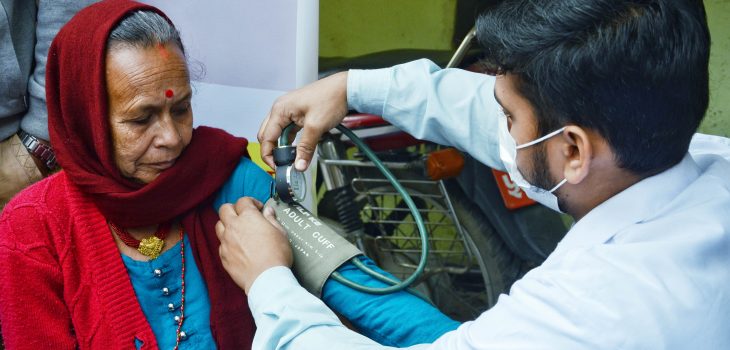

Non-communicable diseases are now responsible for more than seven in ten deaths in Nepal, yet just over a decade ago, they struggled to gain political attention.
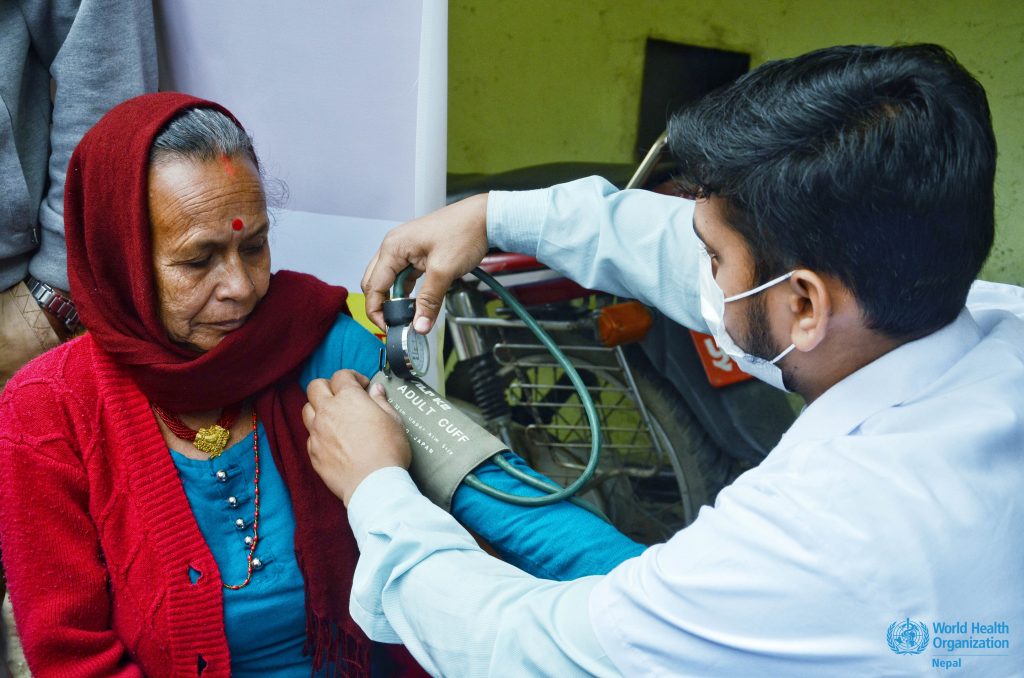
A new study published in Health Policy and Planning reveals how Nepal moved non-communicable diseases (NCDs) from the margins of health policy to the centre of national action through a combination of local evidence, international pressure, and sustained advocacy.
The research, led by Anju Vaidya and colleagues from several UK universities, examines how Nepal developed major policies to address the growing burden of cardiovascular disease, cancer, chronic respiratory illness, and diabetes. The study found that NCDs accounted for 71.1% of all deaths in Nepal in 2019, compared with 51% in 2010, reflecting a dramatic shift in the country’s public health challenges.
Researchers say Nepal’s response developed slowly at first. Early political attention focused mainly on tobacco control, while broader NCD prevention efforts received limited support because of competing priorities such as infectious diseases and maternal and child health. The study found that policymakers only began to fully recognise the scale of the crisis after stronger national and international evidence emerged, particularly through Nepal’s STEPS survey and the Global Burden of Disease studies.
The study highlights the important role played by the World Health Organisation in shaping Nepal’s response. WHO advocacy, technical support, and policy recommendations encouraged Nepal to adopt the Package of Essential Non-communicable Disease (PEN) interventions, designed to improve NCD prevention and treatment within primary healthcare settings. Researchers found that policymakers viewed the PEN programme as both feasible and cost-effective for Nepal’s resource-constrained health system.
International political commitments also helped accelerate action. Nepal’s participation in the 2011 United Nations Political Declaration on the Prevention and Control of NCDs, alongside commitments linked to the Sustainable Development Goals, created momentum that pushed NCDs higher onto the national agenda. According to the researchers, these international commitments strengthened political support for revising national health policies and introducing a multisectoral action plan for NCD prevention and control.
Despite these advances, the study identified major barriers that complicated the policy process. Nepal’s dependence on external donor funding often directed attention toward communicable diseases, leaving NCD programmes with limited financial support. Researchers also found that weak coordination between government sectors, shortages in healthcare capacity, and limited involvement of researchers, frontline health workers, civil society groups, and people living with NCDs reduced the inclusiveness of policymaking.
The authors argue that policymaking in low- and middle-income countries (LMICs) like Nepal is shaped not only by domestic politics and evidence, but also by strong international influences. The study proposes expanding Kingdon’s widely used “Multiple Streams Framework” to include what researchers describe as a “global stream,” reflecting the role of international organisations, donor agencies, and global health commitments in shaping national policy decisions, particularly in the context of LMICs.
Researchers say Nepal’s experience offers important lessons for other LMICs facing rising NCD burdens. The study recommends stronger and more inclusive stakeholder engagement, better communication between researchers and policymakers, improved multisectoral coordination, increased domestic financing for NCD programmes, and greater national capacity to generate and use local evidence. The authors conclude that these measures will be essential if political commitment is to translate into long-term action against non-communicable diseases.